









Tim Ferriss' Sleep Routine: A Scientific Deep Dive

Geschrieben von: Pippa Thackeray
Geschrieben am: 4 August 2024
SLEEP – it’s one of our Four Pillars for a reason. Throughout our lives, we have been told that sleep is an essential aspect of our wellbeing. Perhaps when we were younger we didn’t want to hear it, and maybe all the night owls out there still don’t want to listen. But it is important. In fact, it's extremely vital to good health, governing everything from cognitive function and mood to immune system strength and even weight management. It has also been suggested to reduce the risk of chronic disease development.
As sleep gains recognition in the mainstream, many of you have been using routines from your favourite influencers and celebrities. In this article, we cover a particular favourite of ours at Healf, Tim Ferriss' trending sleep routine and explore in depth the scientific insights behind its benefits.
“In my experience, these evening steps practically guarantee less stress and a better night’s sleep.” - Tim Ferriss
Tim Ferriss and Dr Matthew Walker: Sleep Geniuses
Humorously titled 'The World's Best Human Guinea Pig,' Tim Ferriss is a bestselling author and self-experimenter best known for his productivity-centred self help book 'The 4-Hour Workweek.' Whether you have heard of him previously or not, we love Tim Ferriss’ work in exposing the importance of sleep. As a ‘life-long insomniac’ Tim has found relief in his evening routine, along with many other aspects of his wellbeing habits.
In this article, we are inspired by Tim Ferriss' simple yet effective steps towards using sleep as an incredible tool to enhance almost every aspect of our health. These steps are informed by his own experimentation and by the scientific insights of experts such as Dr Matthew Walker . Professor of Neuroscience and Psychology and a leading figure in sleep science, Dr Walker authored the fascinating book ‘ Why We Sleep ’, which has significantly influenced Tim’s approach. Throughout the article, we will explore key insights from their work and include interesting snippets from Tim’s 3-hour long sleep special podcast featuring Dr Walker.
"Now we have to ask, 'Is there any major physiological system within your body or any major operational network of your brain that isn’t wonderfully enhanced by sleep when you get it or demonstrably impaired when you don’t get enough?' And, so far, the answer largely seems to be 'No.'" - Matthew Walker
Understanding Tim's Sleep Routine
Many in the wellbeing space are embracing Tim’s nighttime routine. In a short YouTube video, he explains the exact activities he uses to wind down in the last 60 minutes of his day. Tim crafted the routine through years of personal experimentation alongside gathering valuable insights from experts he has worked with. It allowed him to wind down deeply every night – and he ultimately decided it was too good not to share with us.
Step 1: Evergreen Dreams: Tim’s winning Pine Tea Combo
Tim highly praises this ‘anti-insomnia’ tea made from wild-harvested fir tree spring tips with added apple cider vinegar and honey. In the recipe, he specifies adding one or two tablespoons of ACV and one tablespoon of natural honey to the tea.
The science:
Whilst Tim makes bold claims that this tea cures ‘even the worst cases of insomnia he’s seen’, we’re wondering where the evidence is since he doesn’t disclose the scientific background of it himself in the video . But the scientific-backing appears to be strong. Pine needle tea has been researched for its ability to boost GABA, a neurotransmitter released to promote calmness and sleep by inhibiting brain activity – helping you to sleep longer and fall asleep faster. The other ingredients, apple cider vinegar and honey also have some scientific backing. ACV has been found to lower blood sugar levels, which can prevent blood sugar spikes and crashes that disrupt sleep cycles. Honey has also been used in sleep studies. One study provided patients with a bedtime milk and honey drink which significantly improved their sleep.
Step 2: The ‘Non-Fiction Book’
While Tim’s ‘soaking-tub’ appliance is activating itself for around 15 minutes, he goes off to read a non-fiction book. Why non-fiction? He doesn't want you doing too many mental cartwheels and crazy arithmetics before bed.
The science:
Does the research agree with Tim that reading is a great evening activity? Results from studies show that positive emotions from reading (fictional) bedtime stories help improve sleep patterns, making it easier to fall asleep at any age.
Step 3: Tub-Time
After closing the book, Tim fills his HydroFlask with water and ice and prepares the Japanese-style soaking tub. He stresses that, despite its appearance, this large tub is not a jacuzzi. He adds Epsom salts to it – two full jars to be precise.
The science:
Epsom salts have gained a lot of popularity for their ability to soothe muscle tension and even aid relaxation and sleep. Research indicates that magnesium plays an integral role in the functioning of our parasympathetic nervous system, which is required for our ‘rest and digest’ response. Studies have also demonstrated that magnesium can be effective in cases of insomnia. In an article dedicated to Epsom salts, research highlighted by Dr Sarah Myhill reflects the effective absorption of this magnesium variety through the skin, upon which she recommends its use alongside magnesium supplementation.
Matthew Walker would also approve of this step, based on the temperature-altering effects the soaking tub will later have on the body:
"What we’ve discovered is that you need to drop your core body temperature to initiate sleep... The way that people can manipulate this is by using hot baths or showers before bed." - Matthew Walker


Step 4: The ‘Dry Sauna’
Next, it’s into the sauna. Tim doesn’t specify the time he spends in here, nor how many ‘cycles’ he completes coming in and out of the sauna space, but he does tend to listen to an audiobook whilst doing so. After this step, he takes a shower and heads off to the bedroom. Tim says once he's in bed, he’s already pretty heavy-eyed and drifts straight off to sleep.
The science:
At the end of the video, we’re left wondering if the same sleep miracle could be true for the rest of us watching. Regular sauna use can provide a variety of benefits, including relaxation of muscles, improved blood circulation, and enhanced skin health. The recommended duration for a sauna session is typically 15 to 20 minutes daily.
Increasing amounts of research are in favour of both Tim and Matthew’s points regarding the ‘temperature drop’ for better sleep. This drop in temperature is achieved by taking hot baths or showers 1-2 hours before bed, as stipulated by the studies evidencing the success of this sleep-inducing practice.
Eight Sleep Pod
This Pod's ability to cool and warm the bed, along with providing sleep and health tracking, fits perfectly with Walker's advice.
Pod 4 is the most powerful and effective sleep technology available, giving you up to one more hour of sleep every night. The Pod can be added to any bed to create the ultimate sleep experience with heating & cooling and smart temperature adjustments for you and your partner. The result? The best sleep ever.
The importance of staying hydrated: Tim also consumes the ice water ‘Every two or three cycles of entering the bath or sauna’. This would be advisable so as to not overheat or lose excess fluids through sweat. If you spend a lot of time in the sauna, we recommend our self-test for electrolyte requirements, to find out if you should incorporate them into your daily intake.
Other important aspects of Tim’s evening routine
Although not mentioned explicitly in the video, other important details of Tim’s routine include:
Dimming the lights
Tim’s evening mood-lit spa room looks wonderfully relaxing. However, there is evidence to suggest the light exposure we experience throughout the day is the key to unlocking our circadian rhythm. Circadian rhythms regulate sleep hormones, such as melatonin, aligning the sleep-wake cycle with day-to-night patterns.
"Try to aim for darkness, not just in the last couple of hours before bed, but also darkness when you’re in bed." - Matthew Walker
Matthew then explains that evidence from research suggests: “Even light exposure in the bedroom at night while you’re sleeping, despite your eyelids being closed, can still penetrate and provide a signal into the brain that will decrease the amount of deep sleep”.
We recommend:
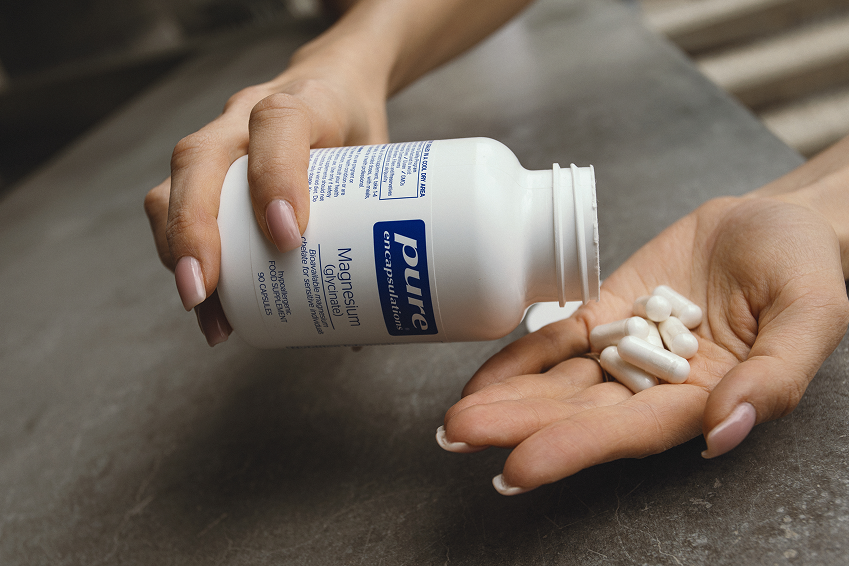
In various publications, Tim mentions magnesium supplementation to aid sleep on multiple occasions. His interview with Dr Andrew Huberman specifies a recommendation of “200mg of Magnesium Bisglycinate” as a potent starting point for great sleep. Magnesium
supplementation alongside Epsom soaks is a powerful combination for deep relaxation, which Dr Myhill is also in favour of.
Breathing practices to support healthy sleep
Studies have linked mouth-breathing, snoring, and other types of sleep-disordered breathing to an increased risk of developing Alzheimer’s. The amyloid protein, which typically accumulates in this disease, is believed to disrupt the sleep-wake cycle.
According to research discussed by Matthew: "Two of the pieces of the metabolic byproducts that were being washed away by deep non-REM sleep at night were beta amyloid and tau protein." - Matthew Walker
Consistency Gets Results
Sleep smart
To wrap things up, we think Tim Ferriss' routine, comprised of elements such as a blood sugar balancing drink and a warm Epsom salt soak, is grounded in scientific evidence and offers a wonderful way to wind down your evening. The routine is pretty unique to Tim so feel free to add your own spin on it, or do the steps in a different order if you wish. With added points from Matthew Walker, we have learned the true meaning of ‘sleep hygiene’; the importance of nightly habits, the connection between Alzheimer's disease and poor sleep, as well as the optimum core body temperature to help us initiate sleep and experience better sleep quality.
The secret to restful nights: With Healf
A curated collection of Sleep Essentials at Healf is ready for you. Find everything you need to set up the ideal sleep sanctuary, including the latest innovations in sleep technology, soothing aromatherapy diffusers, and next-level sleep supplements. We think Tim would be delighted.

Dieser Artikel dient ausschließlich Informationszwecken, auch wenn er Ratschläge von Ärzten und medizinischen Fachkräften enthält oder unabhängig davon, ob er solche enthält. Dieser Artikel ist kein Ersatz für professionelle medizinische Beratung, Diagnose oder Behandlung und ist auch nicht als solcher gedacht. Er sollte niemals als spezifischer medizinischer Rat herangezogen werden. Die in diesem Artikel geäußerten Ansichten sind die Ansichten des Experten und spiegeln nicht notwendigerweise die Ansichten von Healf wider.
Pippa is a content writer and qualified Nutritional Therapist (DipNT) creating research-based content with a passion for many areas of wellbeing, including hormonal health, mental health and digestive health.
As a contributor to The Healf Source, she regularly attends seminars and programmes on a plethora of contemporary health issues and modern research insights with a drive to never stop learning. In addition, interviewing experts and specialists across The Four Pillars: EAT, MOVE, MIND, SLEEP.
In her spare time, she is an avid swimmer, mindfulness and yoga lover, occasionally bringing a raw, honest approach to the topics she faces. You may also discover some personal accounts of eye-opening wellbeing experiences amidst the reality of a disorientating, and often conflicting, modern wellbeing space.