










Is Methylation The Key To Good Health?
The complex biological process occurs billions of times per second in your body, affecting everything from gene expression to inflammation.

Geschrieben von: Natalie Louise Burrows
Geschrieben am: 13 January 2025
Methylation - “meth-ul-LAY-shun”. A complex scientific term that is a fundamental process your body depends on every single day. It plays a role in nearly every bodily function, from supporting the body's detoxification pathways and reducing inflammation to aiding energy production, hormones and brain health.
Natalie Louise Burrows, a cardio metabolic health nutritionist and clinic director of Integral Wellness, knows how important methylation is to the clients she sees. Here, she explores what methylation is, why it matters, how to tell if you’re methylating effectively, and how to support this crucial process.
Have you ever wondered why some people seem to thrive despite stress, environmental toxins, or genetic predispositions while others struggle with fatigue, brain fog, or chronic illness? One of the answers may lie in a critical biochemical process called methylation.
This complex yet fascinating mechanism impacts nearly every system in your body and can determine how well you feel, function, and age.
What is methylation and why is it important?
Methylation is a biochemical process that occurs billions of times every second in your body - yet maybe, until now, you’ve had no idea.
At its core, methylation involves the transfer of a methyl group (one carbon atom bonded to three hydrogen atoms) to another molecule. While this might sound like a small exchange, its impact is enormous.
Adding a methyl group can significantly impact the intended function in the body and can alter a person's susceptibility to diseases.
Methylation is essential for:
- Detoxification: Breaking down toxins and supporting liver function.
- DNA repair and gene expression: Helping repair damaged DNA and influencing which genes are “turned on” or “off.”
- Hormone regulation: Supporting the production and breakdown of hormones like estrogen and cortisol.
- Neurotransmitter balance: Assisting in producing serotonin, dopamine, and other brain chemicals.
- Energy production: Contributing to mitochondrial function and cellular energy
When methylation runs smoothly, your body can maintain balance and resilience. However, this is not a simple chemical process and impaired methylation can disrupt homeostasis.
How do you know if you’re methylating?
Identifying whether your methylation process is functioning correctly often requires a combination of observation, testing, and, importantly, professional support. Even though you can access nutrigenomic testing yourself, understanding the results and making appropriate decisions must be done under a trained healthcare professional.
If your methylation pathways are sluggish, you might experience symptoms such as:
● Fatigue and low energy
● Brain fog and difficulty concentrating
● Mood swings, anxiety, or depression
● Poor detoxification
● Infertility and hormone issues
● Recurring infections
● Poor sleep
As well as cardio metabolic and inflammatory conditions such as cardiovascular disease, high homocysteine levels, mental health disorders, autoimmune conditions and neurodegenerative diseases like Alzheimer’s.
The role of genetics in methylation
Your genetic makeup plays a role in how well you methylate. Variations in genes like MTHFR (methylenetetrahydrofolate reductase) can reduce your body’s ability to produce and use methyl groups - and about 30-50% of the population has some variation in the MTHFR gene.
However, MTHFR gets a lot of airtime compared to other aspects of methylation but other well studied genetic variations that influence the process of methylation include COMT, TPMT, BHMT, PEMT, MTHFR, MTR, MTRR, and CBS.
However, genetics isn’t destiny - and this is also vital to appreciate. It’s also worth noting that many individuals with genetic predispositions never experience symptoms, thanks to compensatory mechanisms, diet, a healthy lifestyle and sometimes supplements. This highlights the importance of addressing not just genetics but also environment and lifestyle factors too. This is known as nutrigenomics.
Supplements for methylation
It’s important to be clear that supplementation should be considered only when they are supportive and not contraindicated for your health. Even vitamins and minerals when they are not needed or in the wrong form or dose can negatively impact our health. Additionally, medications must be checked to ensure no interactions. A registered nutritionist and nutritional therapist can support you.
If that’s all covered, what supplements might be beneficial?
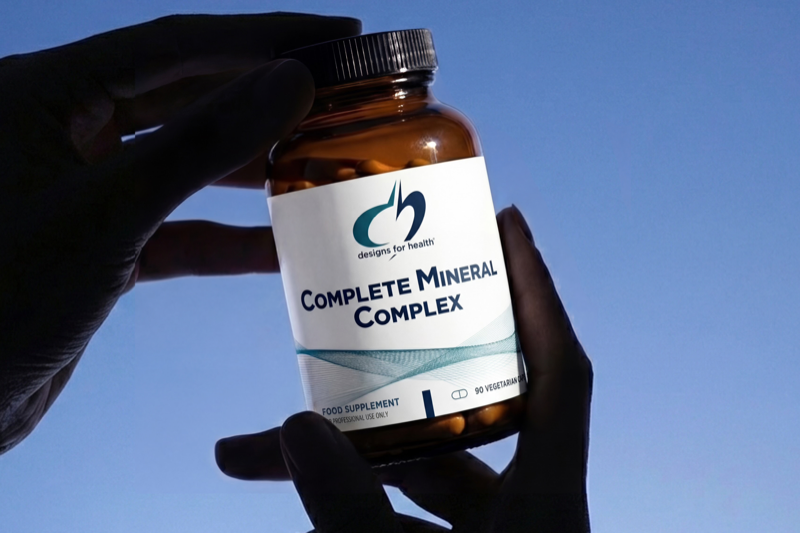
- Methylated B Vitamins: B12 (Methylcobalamin) which is essential for energy production and brain health; and Folate (Methylfolate) to support DNA synthesis and repair, especially for those with MTHFR mutations.
- Vitamin B6: Plays a role in neurotransmitter production and homocysteine metabolism.
- Magnesium and Zinc: Crucial cofactors in methylation processes and over 300 different biochemical processes.
- Choline: Supports liver function, brain health and fat metabolism.
BioCare offers methylated supplements to help ensure that processing nutrients like folate and B12 is performed optimally.
A note on Folic Acid… for individuals with MTHFR mutations, synthetic folic acid (found in many fortified foods and standard supplements) may not convert effectively into its active form. Although there is much research on the benefits of folic acid, it may not be effective for everyone because of genetic variations. Instead, opt for natural folate or methyl-folate supplements if appropriate.
Biocare, a supplement company for over 35 years, was founded by John Stirling, who set out to seek a greater understanding of his health after a cancer diagnosis - which can also influenced by methylation. As a company their complexes and methylated ingredients are designed with an understanding of the most common genetic variations and the synergistic effect of nutrients to make up their proven healthful supplement formulas.
"As a practitioner trained in nutrigenomics, I understand that approximately a third of the population faces challenges in methylating B vitamins—crucial nutrients for mental health and energy production. This is why I choose BioCare as one of my preferred supplement provider. Their commitment to using methylated forms of B vitamins, such as methylfolate and methylcobalamin, ensures optimal absorption and efficacy. By selecting BioCare, I can confidently support my clients' health, knowing they're receiving high-quality, bioavailable nutrients tailored to their unique genetic needs." - Wendy Hill, Registered Nutrigenomics Practitioner
The takeaway message
Methylation is a vital process that influences nearly every aspect of health, from detoxification and energy production to mental well-being. While genetics can play a role in how efficiently you methylate, lifestyle, diet, and targeted supplementation provide powerful ways to support this process.
If you suspect your methylation might need support, consider seeking professional advice to explore testing and personalized strategies. Optimise your methylation pathways could be the key to unlocking better energy, mood, and overall health.




Dieser Artikel dient ausschließlich Informationszwecken, auch wenn er Ratschläge von Ärzten und medizinischen Fachkräften enthält oder unabhängig davon, ob er solche enthält. Dieser Artikel ist kein Ersatz für professionelle medizinische Beratung, Diagnose oder Behandlung und ist auch nicht als solcher gedacht. Er sollte niemals als spezifischer medizinischer Rat herangezogen werden. Die in diesem Artikel geäußerten Ansichten sind die Ansichten des Experten und spiegeln nicht notwendigerweise die Ansichten von Healf wider.