










The Best Supplements To Keep You Regular
A smart supplement stack can offer relief from a sluggish digestive system. Here are Healf's best, science-backed products and how to add them to your daily rotation.

Geschrieben von: Tom Ward
Geschrieben am: 8 July 2026
Constipation and indigestion can have a massive impact on how we feel. And at some point, we've all been there. You're trying to make plans or head out for a workout, but feel anxious about leaving home without first having a proper bowel movement. It might affect the clothes you choose, the meals you pick, the plans you make. And there can be a real knock-on effect for our mental and physical health.
When digestion stalls, most of us reach blindly for a probiotic pill. But if your gut’s physical motility — the actual muscular transit system that moves nutrients through your body — is sluggish, throwing more bacteria into the mix can sometimes create an expensive, bloated traffic jam.
To actually move the needle on regularity, you need a strategic toolkit that addresses the issue from the inside, out. Here is Healf's evidence-led rundown of the supplements that actually show results. Think of it as your guide to what works, what the evidence says, and how to choose the right things to keep you regular.
Why are so many of us struggling to stay regular?
A 2025 study published in the National Library of Medicine found that most of us are only consuming around half the recommended intake of fibre each day. “Without enough fibre, it becomes harder for stools to move through the digestive tract,” explains Rachael Ajmera, a dietitian and founder of gut-forward company Nutrimental.
Staying regular also isn’t just about what we put in our bodies, but how often we move our bodies, too. “Staying active is also important for keeping things moving, but many of us spend more time sitting than exercising,” says Ajmera.
According to Unity Health and Performance, while 64.4% of adults are meeting the targets of 150 minutes of active cardio work per week (that’s your running, your cycling), only 34% of men and 24% of women are meeting the NHS’s recommended two strength sessions per week. Simply put, movement helps things move through you. With most of us sitting for large portions of the day, it makes sense that things get gummed up. But stay sedentary too long, and you’re slowing down the process.
Fibre first: psyllium husk and what it actually does
“Standard dietary advice tells us to eat more fibre, but the type matters,” says herbalist Tamara Warner. For her, psyllium husk – a type of soluble fibre made from the seeds of the Plantago ovata plant – is the “gold standard”. It’s a highly soluble, gel-forming fibre, which acts like a sponge, drawing water into the stool to create a "soft, easily passable mass," she says.
Truly, psyllium husk is an all-rounder. A 2022 study review in the journal Critical Reviews in Food Science and Nutrition linked psyllium husk to easing constipation, lowering cholesterol levels, improving blood sugar control, and increasing satiety.


Magnesium: the most underrated tool in the gut toolkit
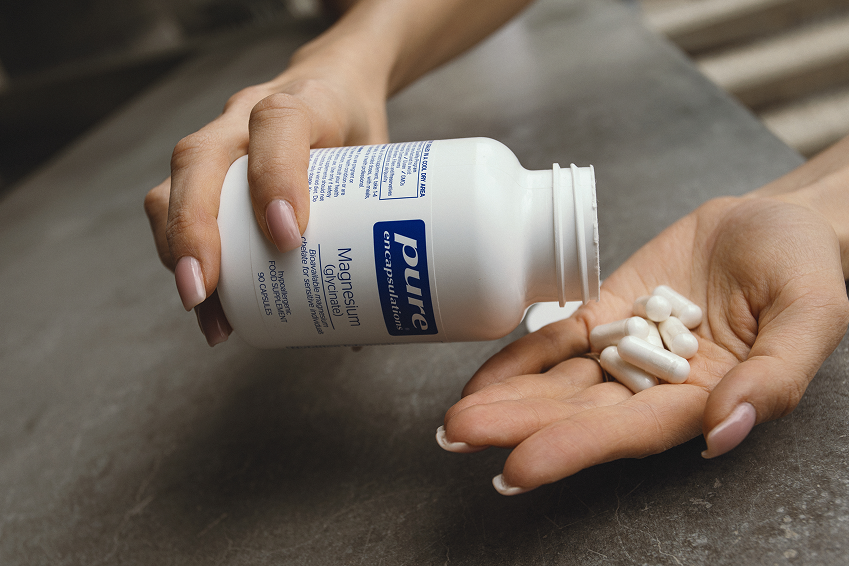
You may already know about magnesium’s performance benefits and use as a sleeping aid, but it turns out there’s even more to recommend this essential mineral. “It’s used to promote regularity, with studies finding that increased magnesium intake is associated with a lower risk of chronic constipation,” says Ajmera.
There’s a catch: going overboard can cause diarrhoea and digestive cramping. To get the balance right, Ajmera recommends using magnesium citrate, which works by drawing water into the intestines, helping soften the stool while also stimulating bowel movements.
Finally, Ajmera suggests that magnesium could also help the intestine muscles relax, making for smoother passage, while also providing a boost to the gut microbiome. In other words, this is one supplement you need to start stacking right now.


Probiotics and prebiotics: helpful or overhyped for regularity?
Speaking of the gut microbiome, conventional wisdom goes that the more fibre we eat, the better fed these ‘helpful’ bacteria are, and the smoother your digestive system will function. Probiotics are a form of beneficial bacteria found in foods like yogurt, kefir, and fermented vegetables. Prebiotics, on the other hand, are the types of fibre that provide fuel for the ‘good’ bacteria in your gut.
But is it really as simple as adding these biotics to your shopping basket? It's possible. According to a 2024 review published in Cureus, probiotics could actually improve symptoms of constipation and reduce the amount of time it takes food to move through your digestive tract. Meanwhile, in a 2020 review of 21 studies, researchers found that prebiotics could be effective for the treatment of chronic constipation by improving stool consistency, bloating, and the number of bowel movements you have.
“I wouldn’t say they’re overhyped,” says Ajmera, “but like everything, it’s about balance. Keep in mind that prebiotics and probiotics can cause gas, bloating, and discomfort, especially when introduced too quickly, or in higher doses.”
Digestive enzymes, bile salts and when to consider them
Sometimes the issue can be ‘upstream’. “Without adequate digestive enzymes elsewhere in the digestive tract, fats and proteins can land in the colon without being fully broken down, slowing transit to a crawl,” says Warner. This is where supplemental bile salts can come in, helping to ensure that fats are properly emulsified, and properly digested.
“For the lower gut, the cutting edge of GI health has shifted from probiotics to postbiotics like tributyrin, a highly bioavailable, slow-release form of butyrate,” says Warner. Tributyrin bypasses stomach acid to feed the colon lining directly, driving the cellular energy required for healthy contractions that help you have a bowel movement.
“While these supplements aren't a first-line approach for constipation, they might be worth considering if you have signs of fat malabsorption, like greasy stools, chronic discomfort, or vitamin deficiencies, or reduced bile flow,” says Ajmera.
How to stack smartly without going overboard
If you’re looking to make big changes, make sure you’re diet and exercise are on point first. “Supplements can help fill in the gaps, but making changes to your routine is often the most effective way to stay regular in the long run,” says Ajmera. Then, introduce supplements one at a time, giving your body a week or two to adapt to it. Once you have the foundations set up, Warner suggests a good, gut-supportive stack might look like this:
Morning: 1 tbsp whole flax seeds (soaked overnight) and 1 tsp psyllium husk in a large glass of water. “Drink plenty of fluid throughout the day, or fibre works backward.”
With Meals: Try to add in some digestive enzymes/bile salts if eating heavy fats or proteins. Add 1 tsp Ethiopian black seed oil.
Evening: Take 300 to 400mg Magnesium Citrate alongside a targeted prokinetic like haritaki to encourage predictable and reliable relief in the morning.
-2.jpg)


Dieser Artikel dient ausschließlich Informationszwecken, auch wenn er Ratschläge von Ärzten und medizinischen Fachkräften enthält oder unabhängig davon, ob er solche enthält. Dieser Artikel ist kein Ersatz für professionelle medizinische Beratung, Diagnose oder Behandlung und ist auch nicht als solcher gedacht. Er sollte niemals als spezifischer medizinischer Rat herangezogen werden. Die in diesem Artikel geäußerten Ansichten sind die Ansichten des Experten und spiegeln nicht notwendigerweise die Ansichten von Healf wider.
Tom Ward is a former Men's Health features editor, and writes regularly on sports, fitness and adventure for the Red Bulletin, Outside, and the Sunday Times. He is the author of the novels The Lion and The Unicorn, and TIN CAT.