











Junk Food Or Joylessness: What Kills You First?

Geschrieben von: Pippa Thackeray
Geschrieben am: 15 April 2025
Could it be that we’re losing sight of what really matters when it comes to longevity? Chronic dissatisfaction, from living a life you resent or working a job you hate, may be far more insidious for our health than we care to admit.
Coverage across the biohacking and health-conscious community constantly tells us to fear sugar, late nights and insufficient movement (et cetera) as the greatest evils of our time. But what if, in the context of how we experience life, these habits have far less impact on how long we live than we would hope for?
The age-old tension between lifespan and healthspan is coming into sharper focus in the light of new research. Here, we examine the true cost of having the wrong mindset and the tunnel vision approach the wellness industry rarely dares to confront.
When the ‘cure’ becomes the problem
A picture painted of the modern ‘optimum’ routine conjures up 5 am alarms, green juices, fasting and cold plunges, all of which, according to research, do have their place. Yet it may be time to acknowledge that such studies do not always account for the deeper and more far-reaching influences present in the lives of real human participants. More to the point, many studies regarding matters of longevity are also carried out on animals. That is not to say this research should be dismissed. It serves a vital purpose.
Is the world of wellbeing in an evidenced-based era missing the mark?
Problems arise when authors of such studies, in their single-minded focus, may fail to recognise the human factors at play. Life dissatisfaction, for instance, could significantly dampen any perceived benefit in actuality when these practices are applied to hard working, stressed-out and joy-starved populations.
Are life-extending recommendations worth their salt?
In the context of research that may not always be fully grounded in real life, it’s worth questioning the trends marketed as life-extending.
Many of these practices can perpetuate guilt, pressure or anxiety (more on this later).
And by following them without question, are we simply reverting to a mindset that treats symptoms rather than addressing root causes, like an epidemic of low mood stemming from a drought of truly nourishing fulfillment in life?
Treating joy as a form of preventative medicine
The blue zones lead by example
Rather than leaning into ever more restriction, we could instead look to those already living well and ask what sustains them. Inhabitants of Blue Zones, regions known for exceptional longevity, exhibit a strong sense of purpose.
For example, the Okinawans refer to this concept as "Ikigai", meaning "reason for being," while the Nicoyans call it "plan de vida," both translating to a similar sentiment: "why I wake up in the morning." Research from the Blue Zones project has shown that this clearly defined sense of purpose is associated with an increase of up to 7 years in life expectancy.
The power of connection
Furthermore, a study analysing data from a sample of over 120,000 individuals worldwide found that a strong sense of community and belonging significantly predicts perceived happiness. It was discovered that feeling unrooted from your surroundings and community makes you 25% less likely to report being happy.
How can the effects of joy and belonging be explained by science?
Science suggests that a sense of purpose doesn’t just feel good. It helps reduce allostatic load, the accumulated strain from ongoing stress, which can increase the risk of illness and accelerate biological ageing.
In this way, having a sense of purpose in life is associated with better physical health, increased life span, and a reduced risk of disability and dementia.
Add to that, chronic stress elevates cortisol levels, leading to immune suppression, increased inflammation, and accelerated biological ageing. Whereas, positive emotions and social connections can mitigate these effects.
Enter Bryan Johnson…
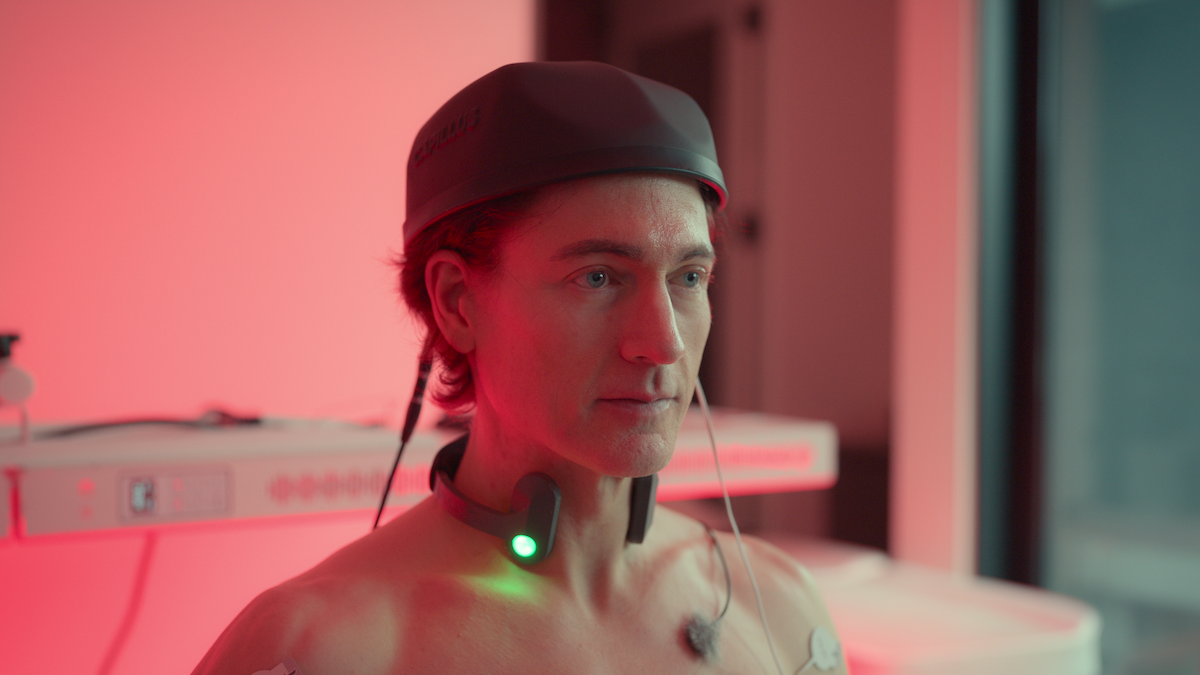
Add into the equation bio-hackers in the limelight such as entrepreneur Bryan Johnson, who famously takes a grand total of 111 pills daily, eats his final meal before noon, is vegan, avoids alcohol entirely, works out for an hour each day and then goes to bed before 8.30 pm. The question remains whether his ultra-disciplined lifestyle can genuinely stall the ageing process. Or, if it simply reflects the same single-minded approach it claims to overcome in not fully encompassing the spontaneity of life, and of joy. This contrast in attitude and such a clash of ideals ultimately furthers the debate, evoking a new understanding of the overlooked role of pleasure and purpose in long-term health.
The biology of burnout
Adding to growing scepticism around wellbeing trends, several physiological factors show how over-reliance and prolonged stress, be it from a dreaded job or a damaging relationship, can harm your health.
What stress actually does to the body
HPA axis dysregulation: Constant stress keeps the body in fight-or-flight, disrupting hormones and raising the risk of heart disease, diabetes, and depression.
Mood, immunity and inflammation
Chronic stress fuels ongoing inflammation linked to disease, unlike a one-off indulgent meal, which the body can easily manage in small, infrequent doses.
Restriction alone as a stressor
Obsessively eating and living a ‘clean’ lifestyle can create anxiety, aversion and even phobias of what is deemed ‘not clean’. Orthorexia is increasingly common, especially among young adults and those immersed in the health and fitness communities. Rooted in anxiety and perfectionism, it creates a compulsive need for absolute control, and in doing so, undermines mental wellbeing.
8 ways to feel better and relieve stress without force or obsession
Make space for what lifts you.
Joy boosts neuroplasticity. Try DIRTEA Lion’s Mane for mental clarity.
Eat with ease, not obsession.
Intuitive eating supports emotional balance and enjoyment in a way that’s realistic for your health goals.
Create a ritual for rest.
Quality sleep restores your system. WelleCo The Evening Elixir - Chocolate helps you unwind deeply.
Seek sunlight, not just supplements.
Natural morning light resets circadian rhythms. Wild Nutrition Vitamin D supports your reserves.
Move for joy, not control.
Even gentle movement lowers cortisol and supports good sleep.
Nurture meaningful connection.
Laughter and honest conversation support mental and physical health, while journals and rituals help you stay tuned in.
Lighten your mental load.
Say “no” more often. Delegating or deleting as you go helps prevent emotional burnout.
Let yourself rest.
Recovery is productive. Try KIKI Health Magnesium Oil to optimise rest.
Key lessons from those who esteem joy
An increasingly narrowed approach to the so-called ideal of wellbeing we’ve been conditioned to believe in as our saviour from deeply ingrained unhappiness, remains ineffective unless the ‘whole’ of oneself is treated as priority. Perhaps it can be taken that connection, purpose, rest, and laughter will always matter more than perfection.
Shop MIND at Healf
Explore calm and clarity-enhancing products crafted to quiet the noise, lift the mind, and welcome a steadier kind of joy to your inner world.


Dieser Artikel dient ausschließlich Informationszwecken, auch wenn er Ratschläge von Ärzten und medizinischen Fachkräften enthält oder unabhängig davon, ob er solche enthält. Dieser Artikel ist kein Ersatz für professionelle medizinische Beratung, Diagnose oder Behandlung und ist auch nicht als solcher gedacht. Er sollte niemals als spezifischer medizinischer Rat herangezogen werden. Die in diesem Artikel geäußerten Ansichten sind die Ansichten des Experten und spiegeln nicht notwendigerweise die Ansichten von Healf wider.
Pippa is a content writer and qualified Nutritional Therapist (DipNT) creating research-based content with a passion for many areas of wellbeing, including hormonal health, mental health and digestive health.
As a contributor to The Healf Source, she regularly attends seminars and programmes on a plethora of contemporary health issues and modern research insights with a drive to never stop learning. In addition, interviewing experts and specialists across The Four Pillars: EAT, MOVE, MIND, SLEEP.
In her spare time, she is an avid swimmer, mindfulness and yoga lover, occasionally bringing a raw, honest approach to the topics she faces. You may also discover some personal accounts of eye-opening wellbeing experiences amidst the reality of a disorientating, and often conflicting, modern wellbeing space.